admissions@luanar.ecampus.ac.mw


Agricultural development isn’t just about producing more—it’s about ensuring the right knowledge, tools, and support reach the people who need them. In Malawi and across Africa, the gap between innovation and adoption often limits progress in farming, food security, and rural livelihoods.
That’s where extension and innovation professionals come in. A Master’s in Extension, Innovation & Development equips graduates to become critical links between research, policy, and practice. Whether you’re supporting smallholder farmers, advising governments, or leading rural projects, this degree opens the door to meaningful work in agricultural transformation.
So, where can it take you—and how can it shape your career? Let’s explore.
Extension, Innovation & Development is a field focused on improving how knowledge, technologies, and resources flow to farmers and rural communities. It combines agricultural science with communication, adult education, and participatory development to solve real-world challenges.
The goal isn’t just to teach—it’s to empower. Professionals in this space work directly with individuals and communities to promote innovation, support sustainable practices, and strengthen food systems. This includes everything from introducing climate-smart agriculture to improving market access or supporting women-led cooperatives.
In Malawi and across Sub-Saharan Africa, these roles are essential. They help bridge the gap between research institutions and rural realities, making sure solutions are practical, inclusive, and culturally relevant.

Malawi’s agricultural sector is the backbone of its economy—but productivity, resilience, and equity remain ongoing challenges. Many farmers lack access to up-to-date information, technologies, or support systems that could significantly improve their livelihoods.
This is where extension and innovation professionals make a difference.
In 2025, the need for skilled individuals who can support sustainable farming, promote inclusive rural development, and drive the adoption of new technologies is greater than ever. With climate change, youth unemployment, and food insecurity placing pressure on rural communities, the ability to guide innovation in ways that are both effective and people-centred is a national and regional priority.
Graduates with a Master’s in Extension, Innovation & Development are equipped to:
Design and deliver community-focused programmes
Lead farmer training and outreach initiatives
Support innovation platforms and participatory research
Build linkages between policy, research, and practice
Promote inclusive development that considers gender, age, and local context
This degree prepares you not only to deliver change—but to co-create it with the communities you serve.
The Master’s in Extension, Innovation & Development builds a practical skill set tailored to the real needs of rural communities, development agencies, and agricultural systems. It goes beyond theory, preparing graduates to design, lead, and evaluate initiatives that make a measurable impact.
Key skills include:
Participatory Development Approaches
Learn how to engage communities in planning, implementing, and evaluating solutions that reflect their priorities and context.
Communication and Adult Education
Master techniques for training farmers, leading workshops, and translating complex ideas into accessible, actionable knowledge.
Innovation Systems Thinking
Understand how technology, policy, and local knowledge interact—and how to foster collaboration among stakeholders.
Project Design and Management
Gain the ability to develop, implement, and monitor community-based projects, including budgeting and stakeholder coordination.
Gender and Social Inclusion
Learn to incorporate gender-sensitive approaches and ensure vulnerable groups are included in innovation and extension processes.
Monitoring, Evaluation, and Learning (MEL)
Build skills in assessing programme outcomes, tracking impact, and adapting strategies based on evidence.
These competencies are essential for anyone working at the intersection of agriculture, community development, and systemic change.

A Master’s in Extension, Innovation & Development opens the door to diverse career paths across agriculture, development, and public service. Whether you’re working directly with farmers, managing rural programmes, or advising on policy, your role will centre on improving how innovation reaches communities.
Agricultural Extension Officer
Works with farmers and local stakeholders to promote new practices, technologies, and improved farming methods. Often employed by ministries of agriculture or local governments.
Rural Development Coordinator
Designs and manages initiatives aimed at improving rural livelihoods, such as food security projects, youth training programmes, or cooperative development.
Innovation Systems Advisor
Facilitates partnerships between researchers, extension agents, private sector actors, and farmers to support the adoption of agricultural innovation.
Community Engagement or Outreach Specialist
Focuses on mobilising communities, leading educational activities, and building trust between institutions and local populations.
NGO Programme Manager (Food Security / Livelihoods)
Oversees project implementation for NGOs, ensuring that rural development programmes are participatory, effective, and responsive to community needs.
Policy Advisor (Rural Development)
Supports government or donor agencies in creating inclusive policies for agricultural innovation, extension services, and rural empowerment.
Each of these roles contributes to transforming agriculture from the ground up—and plays a direct part in shaping sustainable, inclusive development across Malawi and the region.
Graduates of Extension, Innovation & Development programmes are in demand across sectors that support rural transformation, sustainable agriculture, and community empowerment. These professionals are valued for their ability to connect technical knowledge with real-world implementation.
Public Sector and Government
Ministry of Agriculture – Roles in district and national extension services, programme coordination, and policy support.
Local Government Authorities – Community development and agricultural outreach officers embedded at district or regional level.
Non-Governmental Organisations (NGOs)
CARE Malawi, Concern Worldwide, World Vision, Save the Children – Manage or support livelihoods, food security, and rural development projects.
Farm Radio International, Self Help Africa – Specialists in outreach, ICT for development, and agricultural communication.
International Development Agencies
FAO, IFAD, GIZ, USAID – Implementation or advisory roles in extension system strengthening, innovation scaling, and rural capacity-building.
Research and Innovation Platforms
CGIAR centres (e.g., ICRISAT, ILRI) and SADC agricultural initiatives – Roles in participatory research, pilot projects, and scaling innovations.
Private Sector and Agritech
Input suppliers, agribusinesses, or ICT startups – Focus on farmer engagement, product education, and innovation delivery models.
Wherever extension and innovation are needed to improve lives and livelihoods, there’s space for skilled professionals to lead the way.
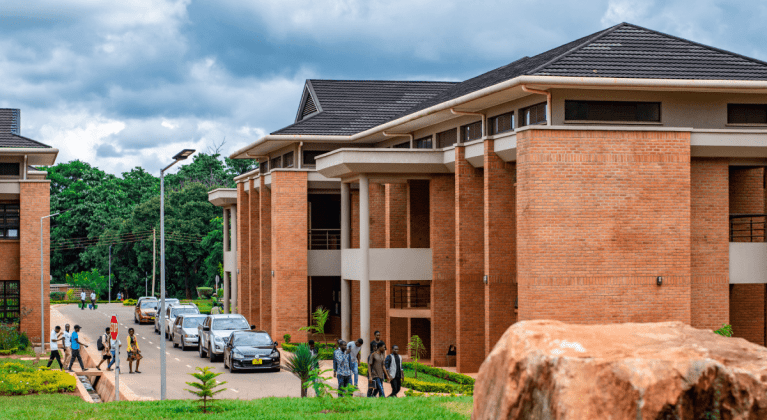
LUANAR ECAMPUS offers a uniquely relevant and flexible approach to studying Extension, Innovation & Development. Designed with the realities of working professionals in mind, the programme combines academic rigour with applied learning—allowing you to grow your expertise without leaving your role or community.
Regional Relevance
The curriculum reflects Malawi’s agricultural context and rural development priorities, making your learning immediately applicable to real-world challenges.
Flexible Online Delivery
Study from anywhere, at your own pace. Whether you’re based in a rural district or working full-time, you can access recorded lectures, reading materials, and tutor support whenever it suits you.
Experienced Faculty
Learn from academics and practitioners with deep knowledge of extension systems, participatory development, and agricultural innovation in Sub-Saharan Africa.
Applied Learning
Assignments are designed to connect theory with practice, encouraging you to draw on your own community or work context as part of your academic journey.
Professional Growth
This degree positions you for leadership in development projects, government agencies, and international NGOs—whether you’re advancing from a frontline role or pivoting to strategic work.
LUANAR ECAMPUS gives you the tools and the flexibility to turn your passion for rural transformation into long-term impact.
If you’re ready to play a more active role in shaping rural development, supporting innovation, and empowering communities, the MSc in Extension, Innovation & Development at LUANAR ECAMPUS is the right step forward.
Here’s how to get started:
Visit the Programme Page
Explore the course content and learning outcomes here:
MSc in Extension, Innovation & Development
Review Entry Requirements
Ensure you meet the academic and professional criteria. A relevant bachelor’s degree and a background in development or agriculture are preferred.
Prepare Your Application Documents
Have your transcripts, CV, ID, and any supporting materials ready.
Apply Online
Submit your application directly through the LUANAR ECAMPUS portal:
Apply Now
Reach Out for Support
The LUANAR ECAMPUS team is available to assist with any questions throughout your application process.
This degree equips you to lead where it matters most—on the ground, in the community, and at the heart of innovation in African agriculture.